


Leaking Gutters: Find the Cause Before Repairing
Updated November 17, 2026
A gutter leak needs a different repair from water overflowing the front or running behind the gutter. Start by identifying where the water escapes. A dripping joint may need resealing, while a blocked outlet, poor drainage or a roof-edge detail needs a different assessment.

Is it a gutter leak, overflow or water behind the gutter?
Watch from a safe position on the ground during rain. Note the location, whether the problem occurs in light or heavy rain, and whether it returns after cleaning. Photographs can help explain the symptoms, but they cannot confirm the condition of hidden fascia or roof-edge materials.
- Water dripping through a joint or corner: inspect the joint, sealant and surrounding material.
- Water spilling over the front: check debris, outlets, downspouts, slope and the runoff entering that section.
- Water running behind the gutter: assess gutter position, fascia and roof-edge flashing rather than assuming the gutter seam is leaking.
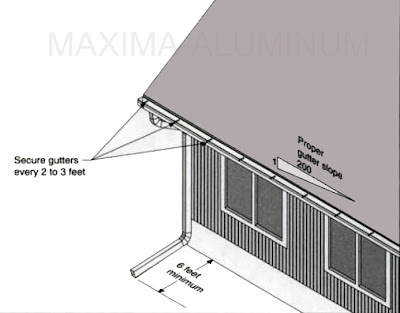
- A sagging or pulling section: check fastening and the supporting fascia before applying sealant.
What should be checked before resealing?

Check whether the joint is still secure and whether the metal or other gutter material is sound. Failed sealant, a separated joint and a damaged section are different repair scopes. Repeatedly covering a moving or deteriorated joint with more sealant may leave the underlying problem unresolved.
For the joint design itself, see our box-corner and hand-mitered corner guide. A corner still needs suitable preparation and sealing, whichever design is used.
Choose sealant for the actual gutter material
Do not assume any product labelled waterproof is suitable. Check the exact product’s approved substrates, joint-size limits, surface preparation, application conditions and curing instructions. Follow its label and safety information rather than a universal bead size or repair method.
For example, Geocel’s 2320 information lists gutter use but also specific joint-size and use restrictions. DAP’s Gutter & Flashing page links to its current technical sheet, which specifies preparation and separates rain readiness from full cure. These are examples of product instructions, not a statement that every gutter needs either product.
Preparation matters as much as the choice of sealant. Remove contamination and failed material as directed, and confirm the required surface condition. Do not immediately flush a newly sealed joint unless the selected product’s instructions permit water exposure.
When is repair enough, and when is replacement worth assessing?
A localized gutter leak may be repairable when the surrounding section, fastening and fascia remain sound. Widespread deterioration, repeated joint failure, persistent drainage problems or damaged support may call for a broader repair or replacement scope.
Age alone does not decide the outcome. Compare the condition and proposed work using our repair-versus-replacement guide. For problems across several exterior components, see the separate small exterior repairs guide.
What can homeowners check safely?
Start with ground-level observations and leave difficult access or uncertain repairs to an appropriate professional. The Canadian Centre for Occupational Health and Safety’s ladder guidance explains equipment selection, inspection, secure footing and climbing precautions. A tools list alone is not a safe access plan.
After a repair, check that drainage works and the original symptom has stopped. Gutter guards may reduce debris-related blockages, but they do not repair a failed joint, correct slope or restore damaged fascia.
Frequently asked questions
Does overflowing water always mean the gutter is leaking?
No. Overflow may involve debris, restricted outlets, downspouts, slope or concentrated runoff. Identify where the water escapes before treating it as a seam leak.
Can I use any waterproof sealant on a gutter leak?
No. Check the exact product’s approved gutter materials, joint limits, preparation requirements and curing instructions. Rain readiness and full cure can be different stages.
Can I repair a gutter leak myself?
That depends on access, the damage and the repair required. Ground-level observations can help describe the problem. Arrange professional help when access or the condition of the gutter and supporting fascia is uncertain.
Does one leaking corner mean I need new gutters?
Not necessarily. A localized joint repair may be possible when the surrounding system is sound. Repeated failures, deterioration or drainage problems may justify assessing a larger scope.
Request a gutter-leak assessment
Send Maxima Aluminum LTD photographs taken safely from the ground and describe when the leak occurs. We can review eavestrough repair and replacement options and identify the proposed scope in a written estimate. Contact us for service in Mississauga and the West GTA.
Manufacturer and ladder-safety references checked November 17, 2026. Use the instructions supplied for the particular product and equipment.